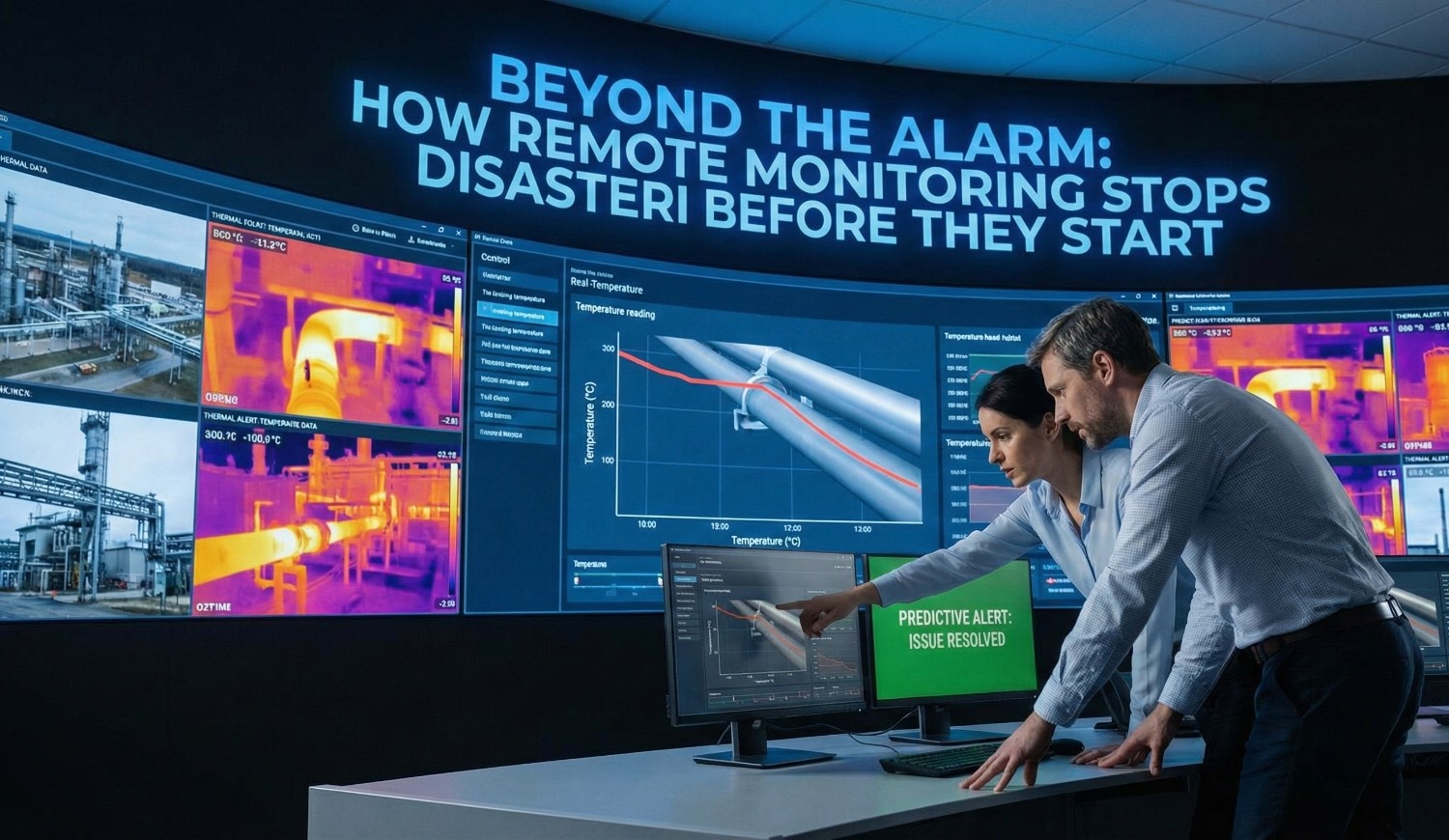
A Fundamental Safety Layer Protecting Lives, Assets, and Operational Continuity
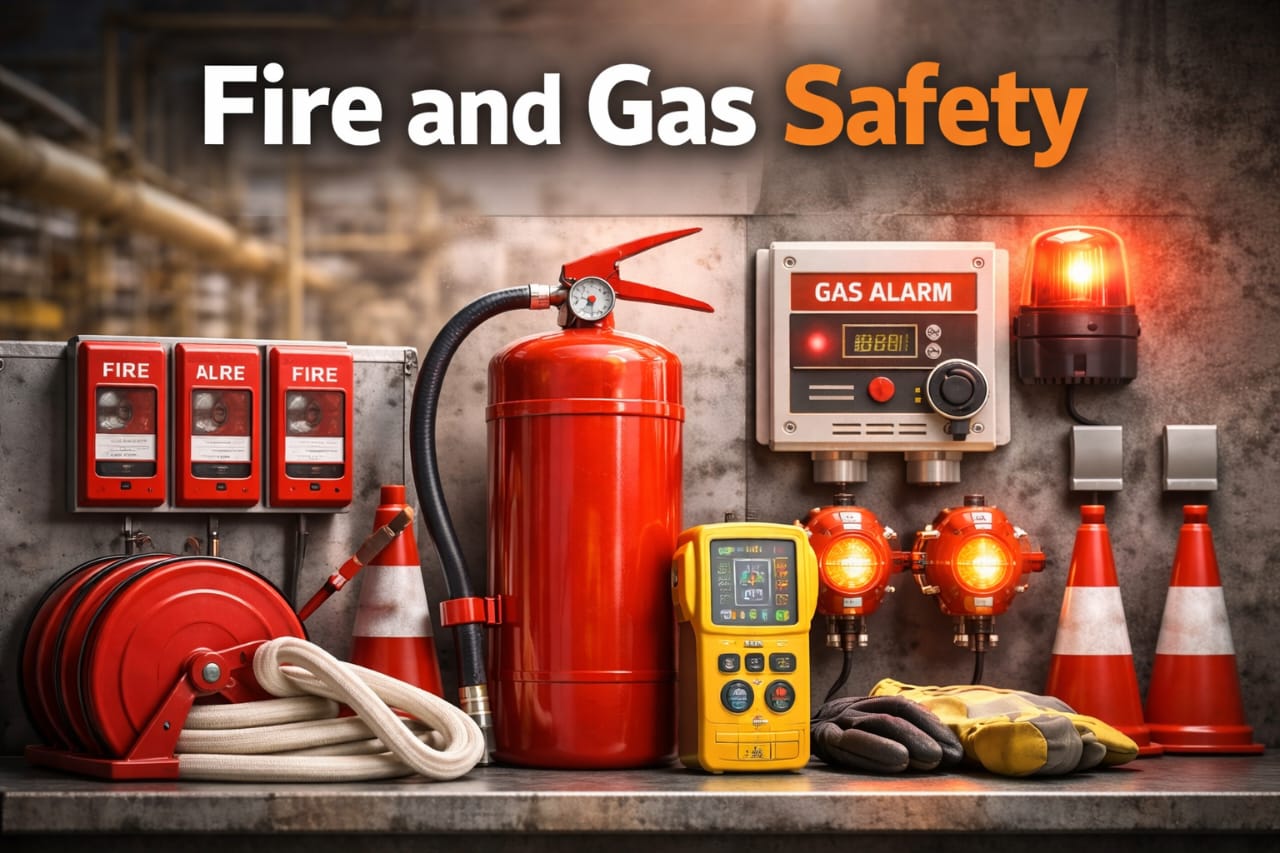
Fire and Gas (F&G) systems are a critical component of modern safety management. Beyond regulatory compliance, these systems provide early hazard detection that helps prevent injuries, limit asset damage, and reduce costly operational disruptions.
REMOTE MONITORING
Remote Monitoring – Continuous Oversight, Even When You Are Away
Continuous Surveillance – Remote monitoring allows operators to oversee critical areas in real-time through centralized platforms such as SCADA, DCS, or web-based interfaces.
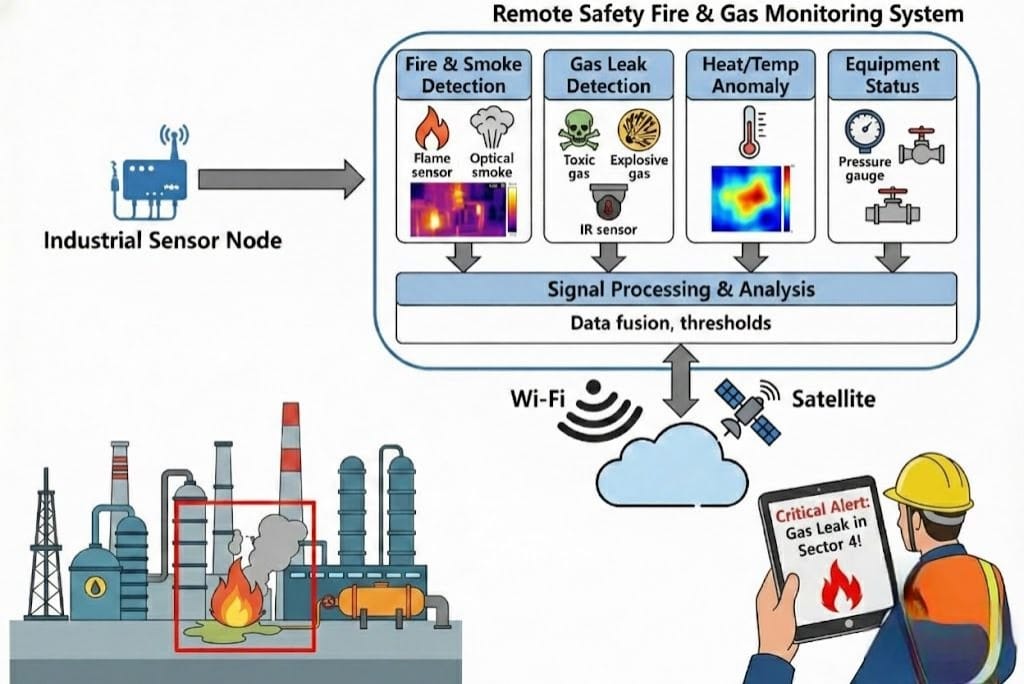
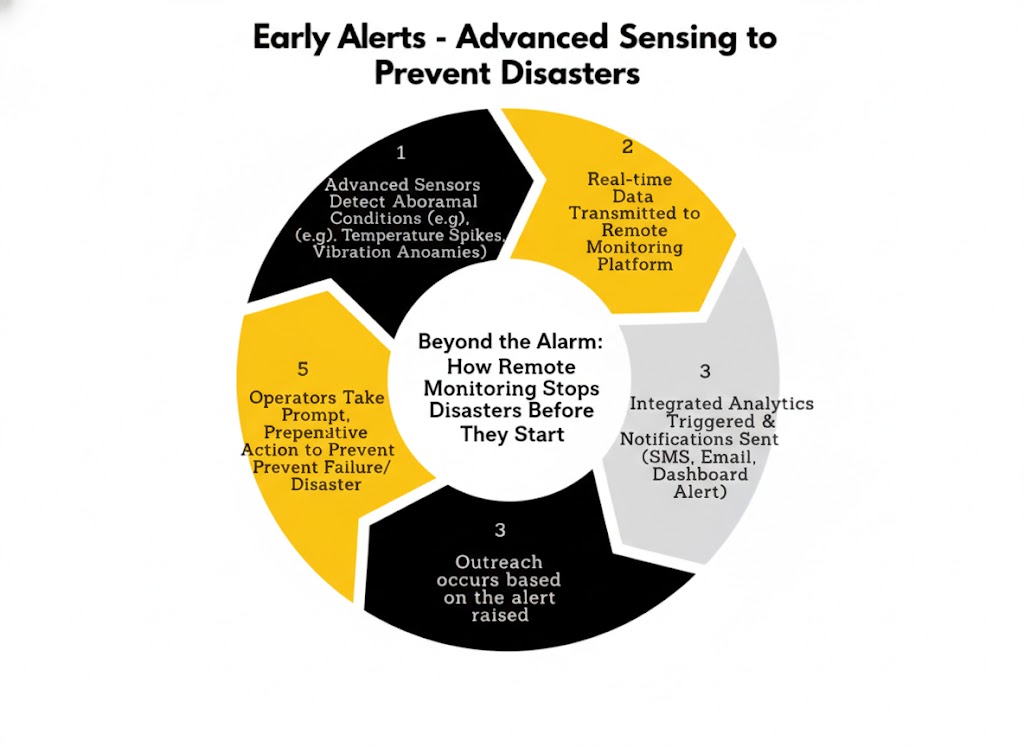
Early Alerts – Advanced sensors and detection devices trigger alarms as soon as abnormal conditions are identified, allowing for prompt, preemptive action.
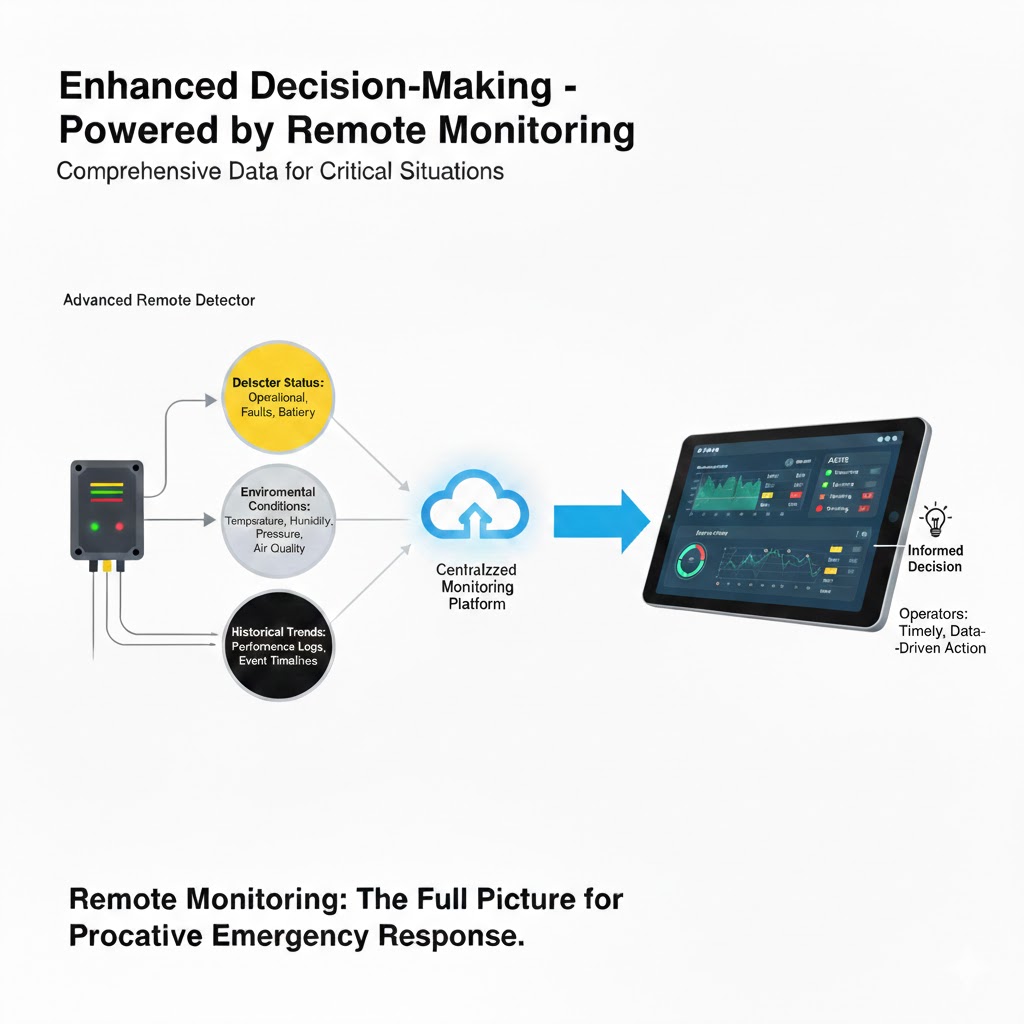
Enhanced Decision-Making – By providing comprehensive data on detector status, environmental conditions, and historical trends, remote monitoring equips operators with the information needed to make informed and timely decisions during emergency situations.
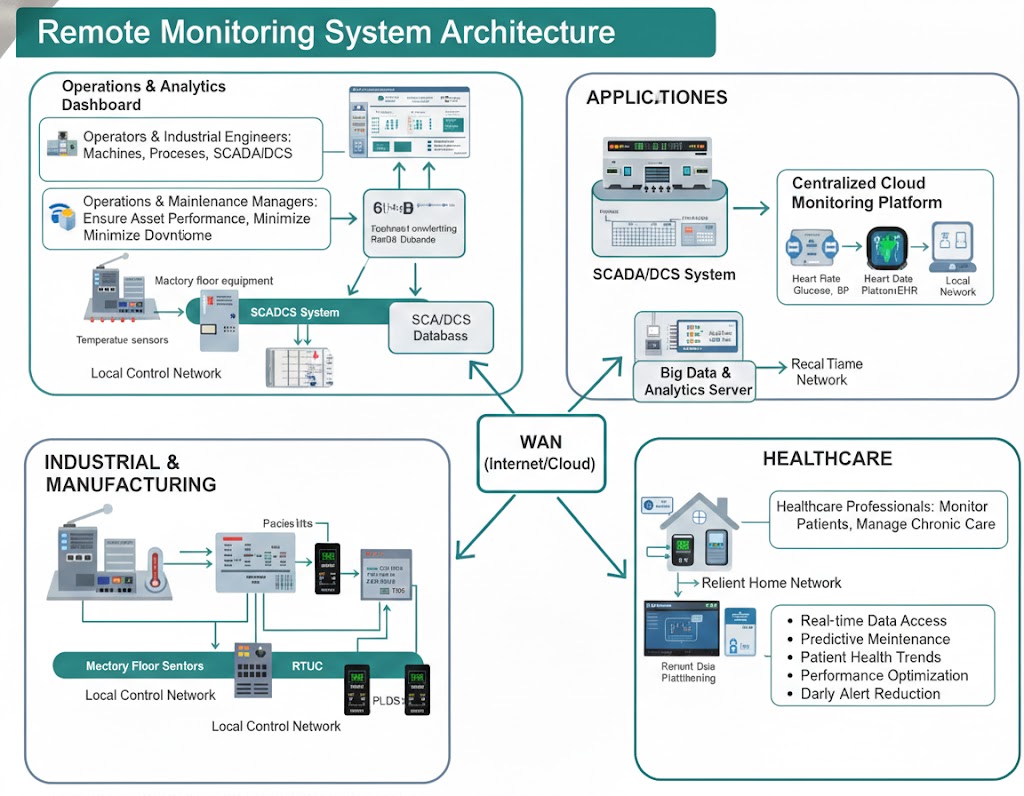
Remote monitoring is commonly used by the following groups :
Operators and Industrial Engineers
To monitor machines, processes, and SCADA/DCS systems.
Operations and Maintenance Managers
To ensure asset performance and minimize downtime.
Healthcare Professionals
To monitor patients through remote patient monitoring systems.
remote monitoring is very important, especially in industries and critical systems that require continuous oversight.
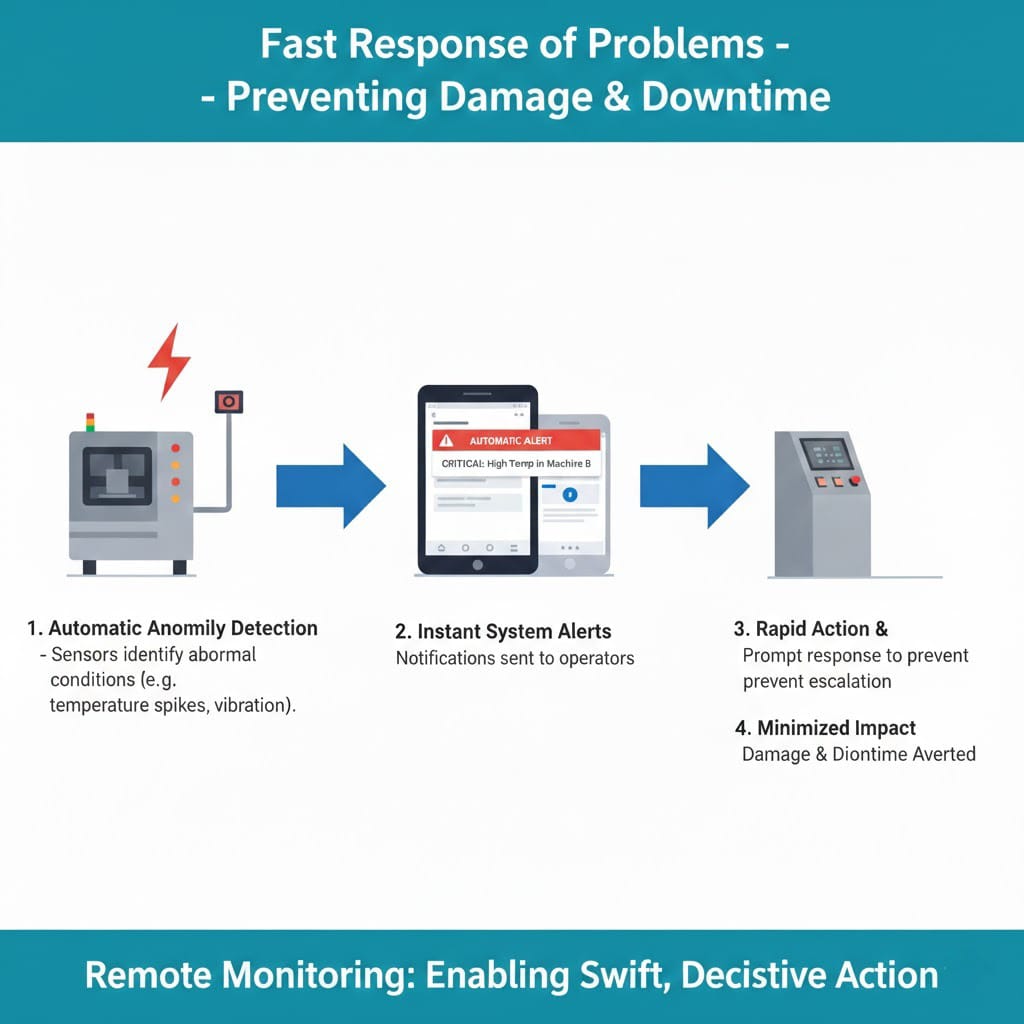
Fast Response to Problems
- Systems provide automatic alerts.
- Operators can act quickly to prevent damage or downtime.
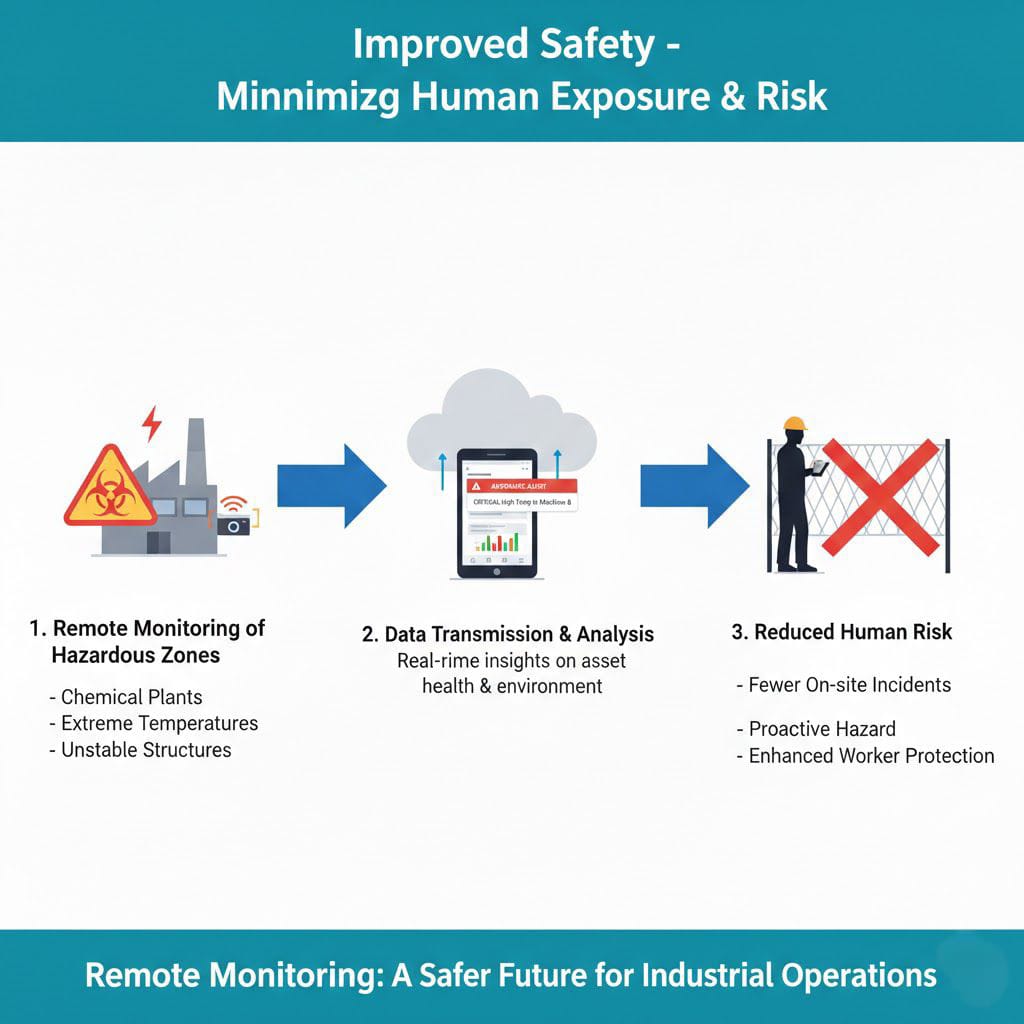
Improved Safety
- Minimizes human exposure to hazardous environments.
- Reduces accidents and safety risks.

Leave a Reply