
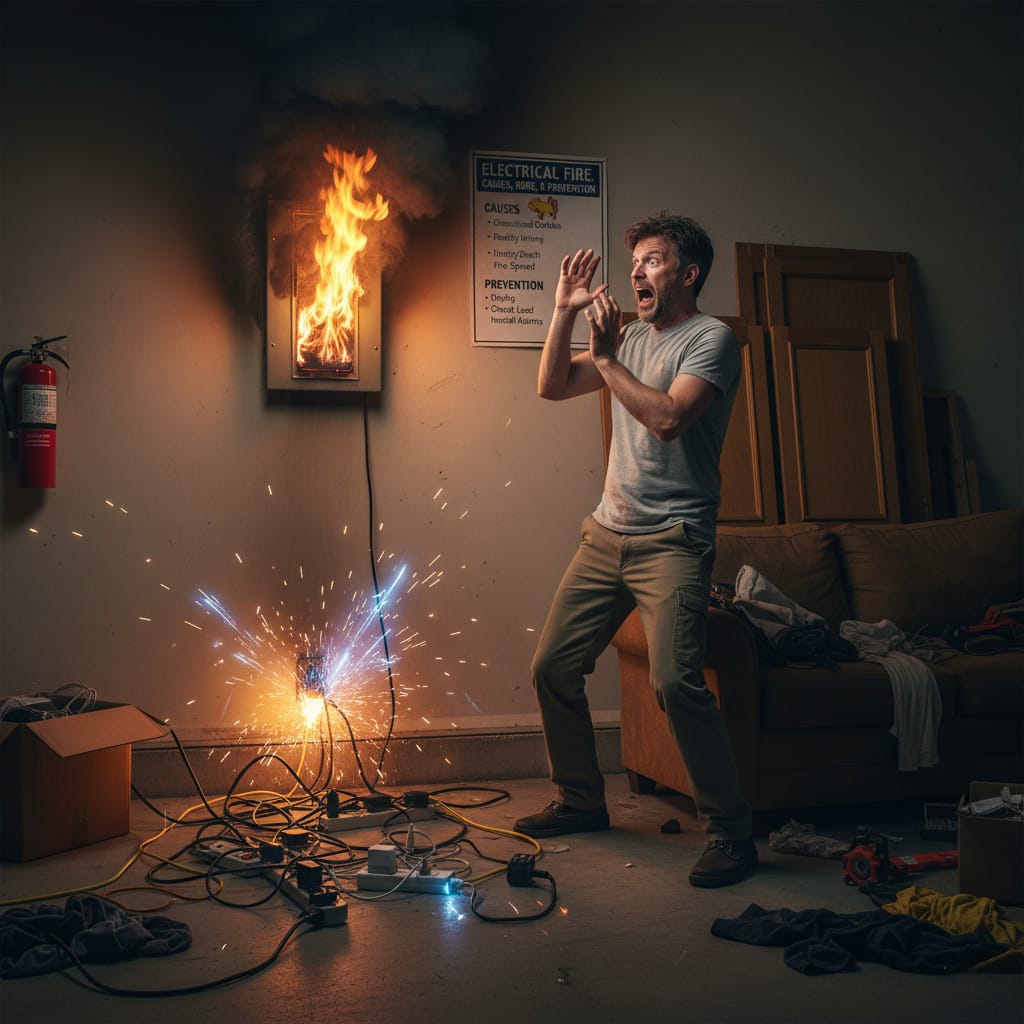
Electrical fires usually occur due to failures, misuse, or poor conditions in electrical systems.
Overloading
Too many devices connected to one circuit → excessive current → overheating → insulation melts → fire.
Damaged or deteriorated wiring
- Aged cables
- Worn insulation
- Rodent damage
- Mechanical stress or vibration
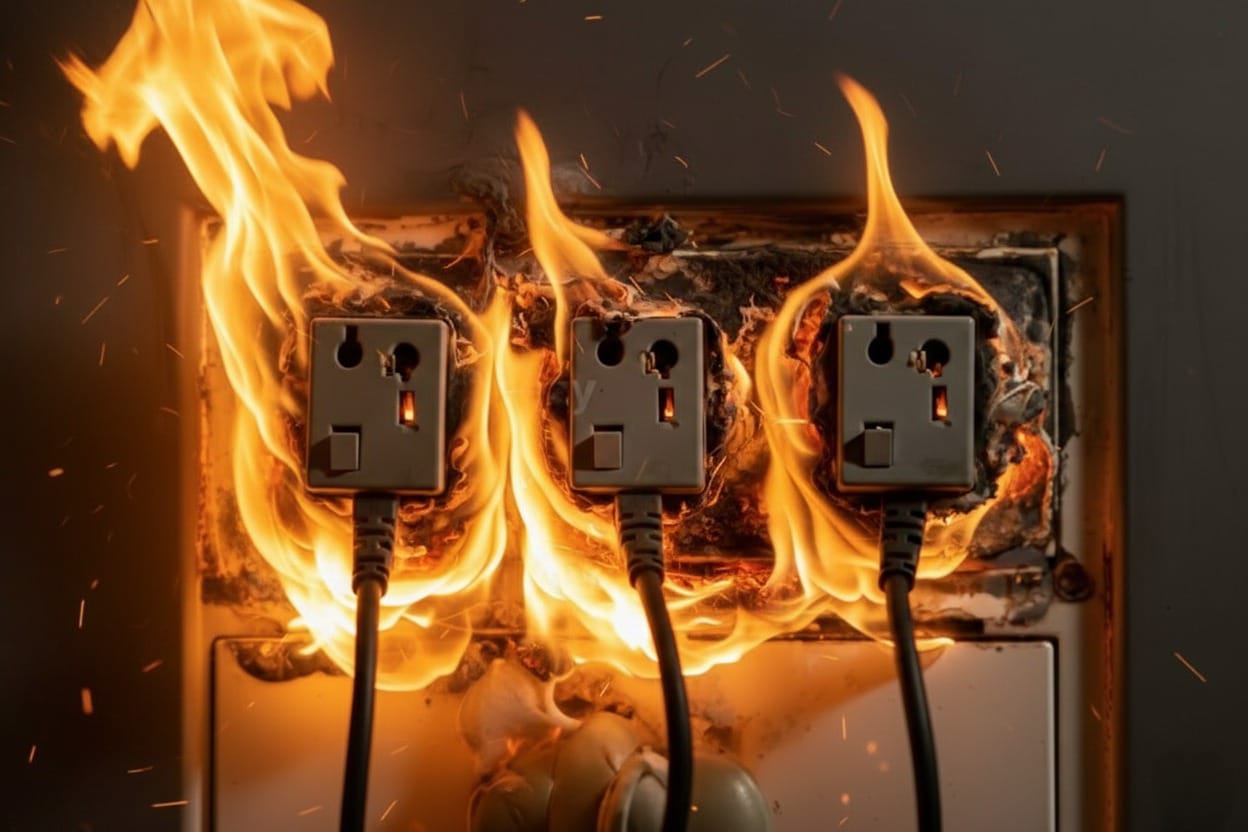
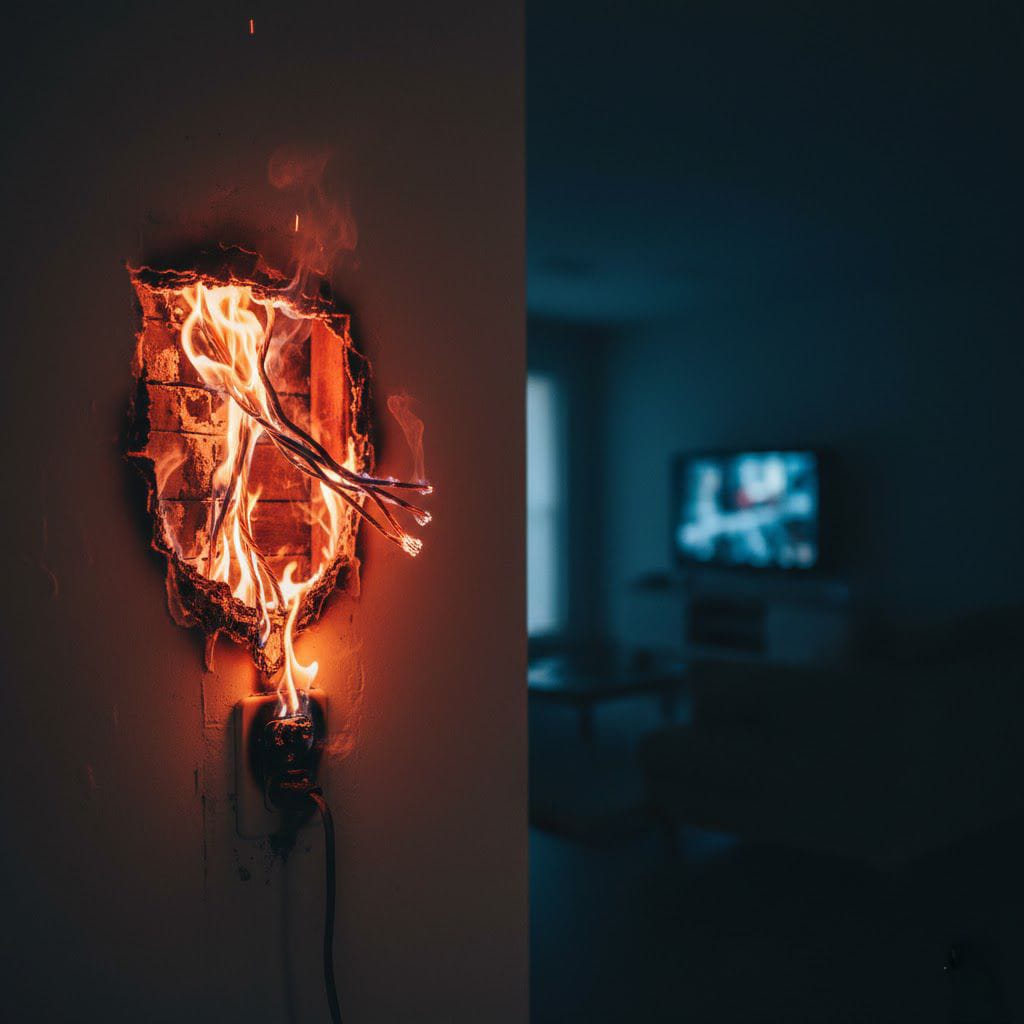
Frequent and difficult to detect early
- Electrical fires can start inside cables, panels, or walls
- They are often invisible until the fire has already spread
- Commonly occur outside operating hours (at night or unattended)
- Can spread rapidly and cause serious damage
- May occur without warning due to hidden wiring problems
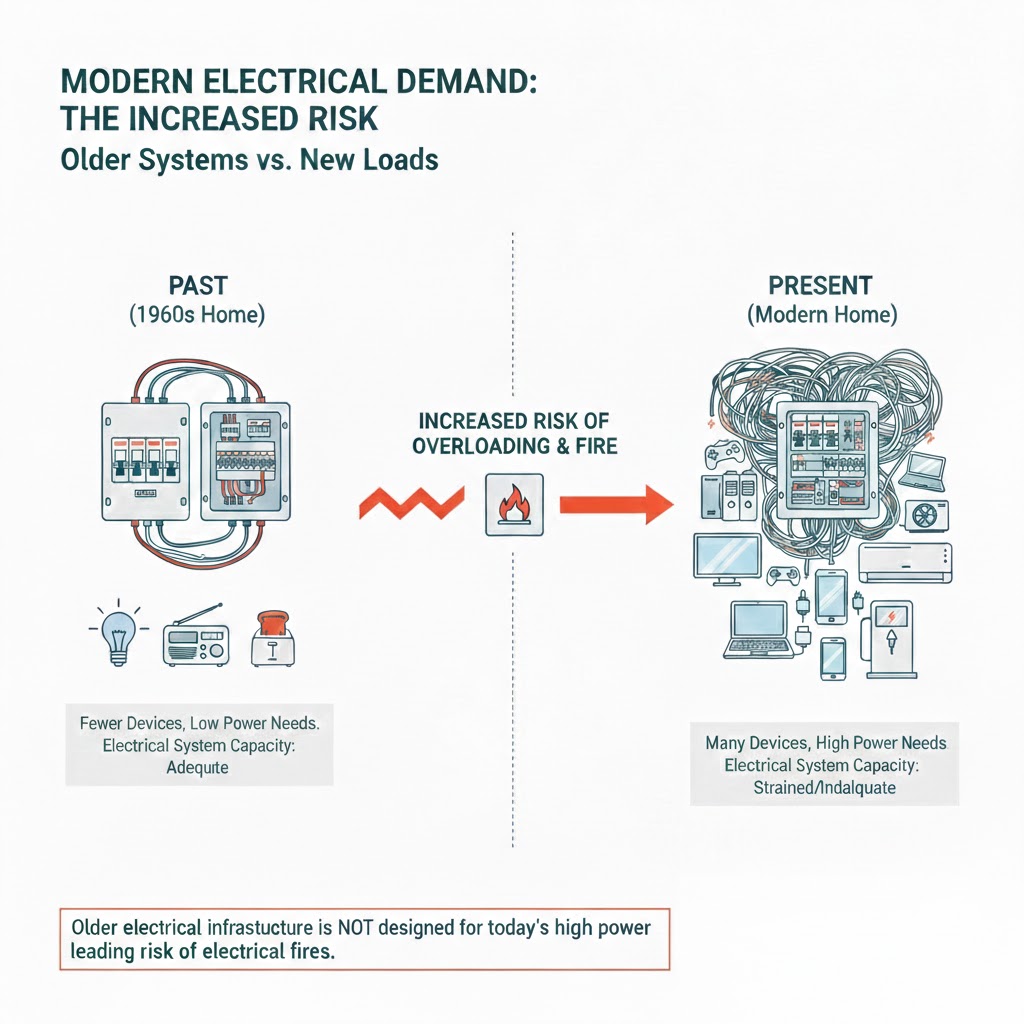
Increased risk due to modern electrical demand
- More electrical devices are used today
- Older electrical systems were not designed for high loads
- The risk of overloading continues to rise
- Higher likelihood caused by increased use of electrical appliances
- Greater danger resulting from overloaded electrical systems
Ways to prevent fires:
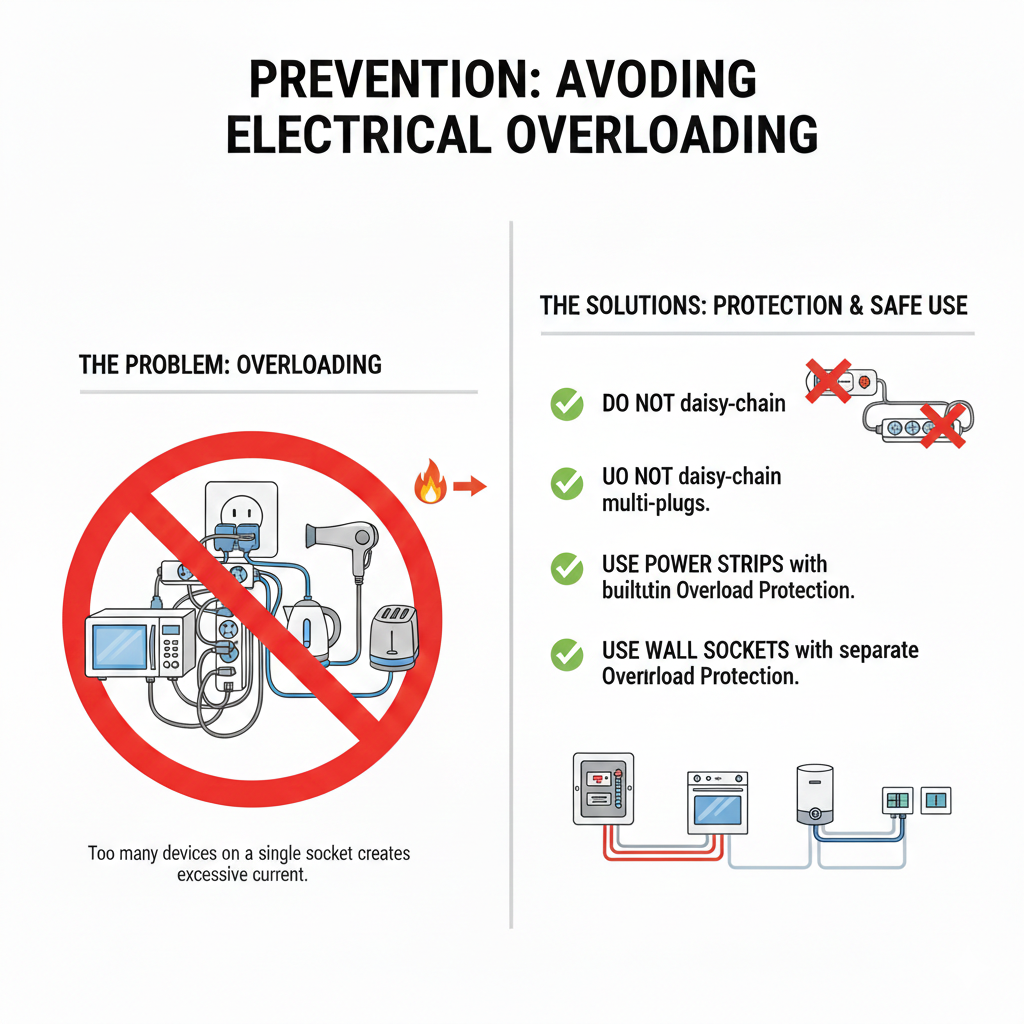
Avoid overloading
- Do not connect too many devices to a single socket
- Use power strips with overload protection
- Provide dedicated circuits for high-power equipment (heaters, air conditioners, ovens)
- Use electrical appliances properly
- Regularly inspect electrical wiring
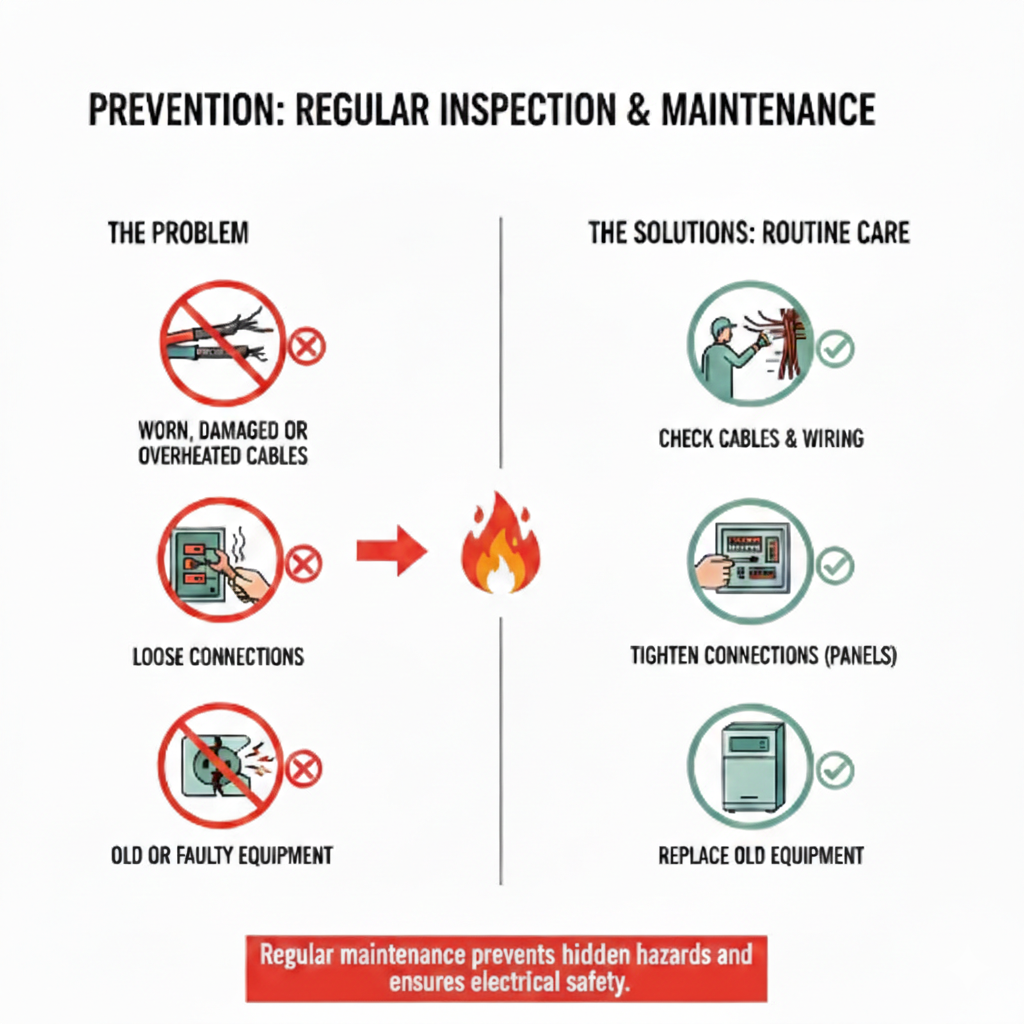
Regular inspection and maintenance
- Check for worn, damaged, or overheated cables
- Tighten loose connections in panels
- Replace old or faulty electrical equipment
- Proper installation of electrical systems
- Replace damaged or worn-out wiring
Consequences of Ignoring Electrical Fires
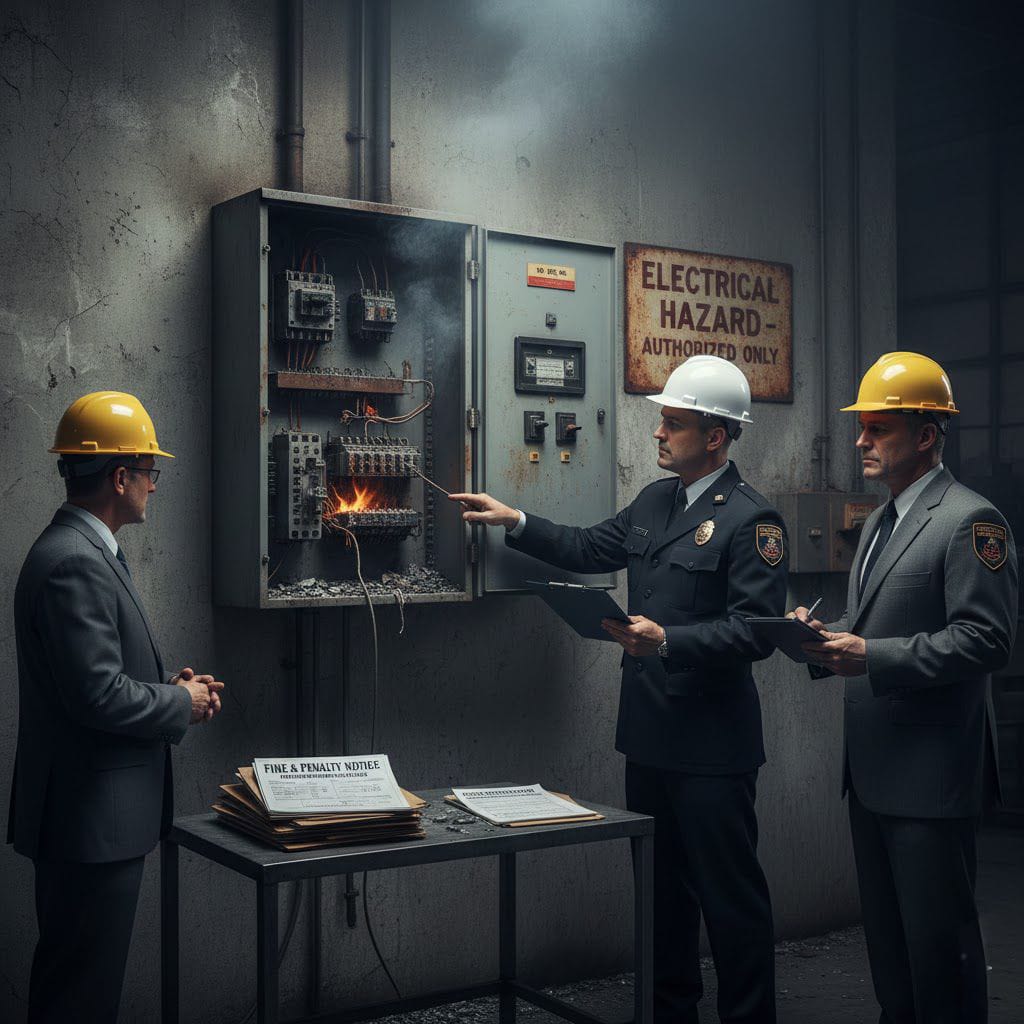
Legal and Regulatory Issues
- Failing to comply with electrical safety codes and fire standards can lead to legal action.
- Fines, penalties, or official investigations may be imposed.
- Compliance with safety standards
- Adherence to electrical codes and regulations
- Following mandatory electrical safety inspections”
Example:
A chemical plant neglects maintenance on old electrical systems → a minor fire occurs. Regulatory authorities investigate and issue fines for ignoring safety standards.
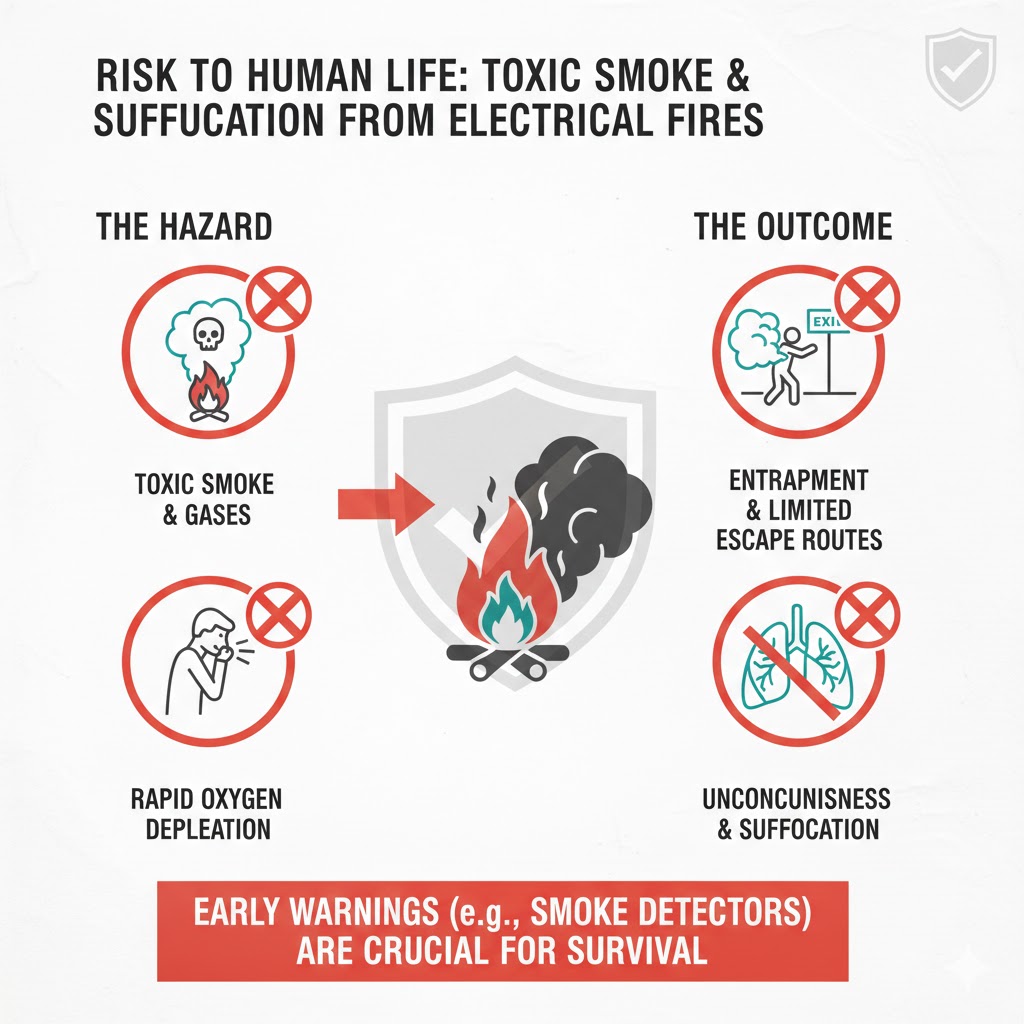
Risk to Human Life
- Electrical fires can produce toxic smoke and hazardous gases.
- People nearby may get trapped or suffocate before escaping.
- Potential for electric shock or electrocution
- Injury from fire or explosions
- Health hazards due to smoke inhalation
Example:
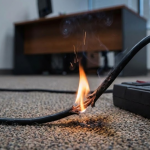
In an apartment, an old worn-out socket cable sparks in the living room. The homeowner is asleep, smoke fills the room, and they are at serious risk of harm before waking up.

Leave a Reply