
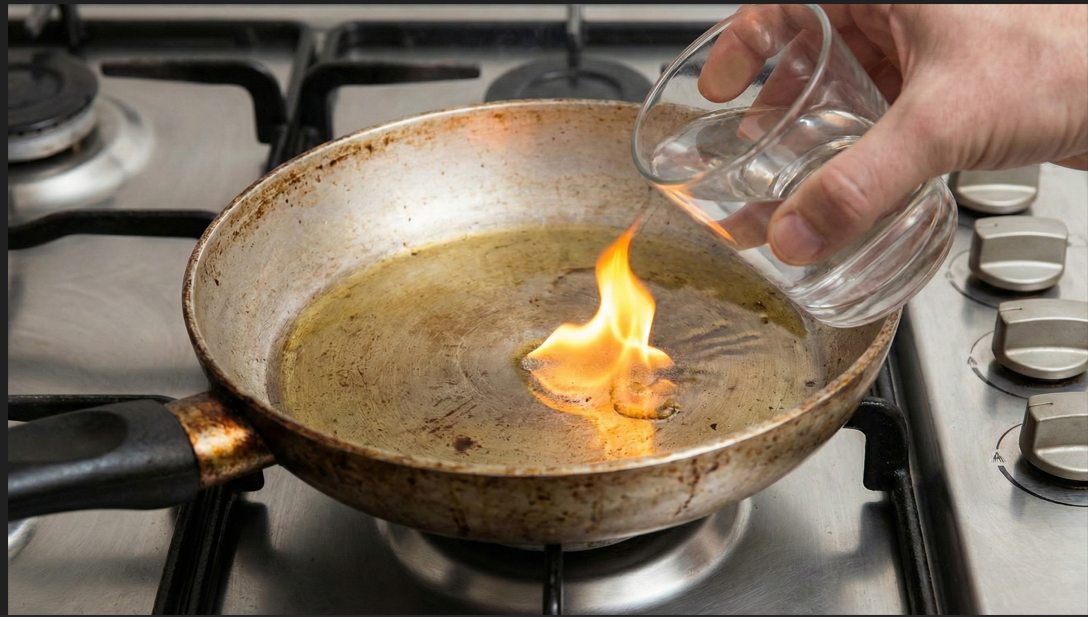

An oil fire is a fire that occurs due to the ignition of oil or flammable liquids such as petrol, diesel, industrial oil, or cooking oil. This type of fire happens when oil is exposed to high heat, sparks, or an open flame, causing it to ignite rapidly.
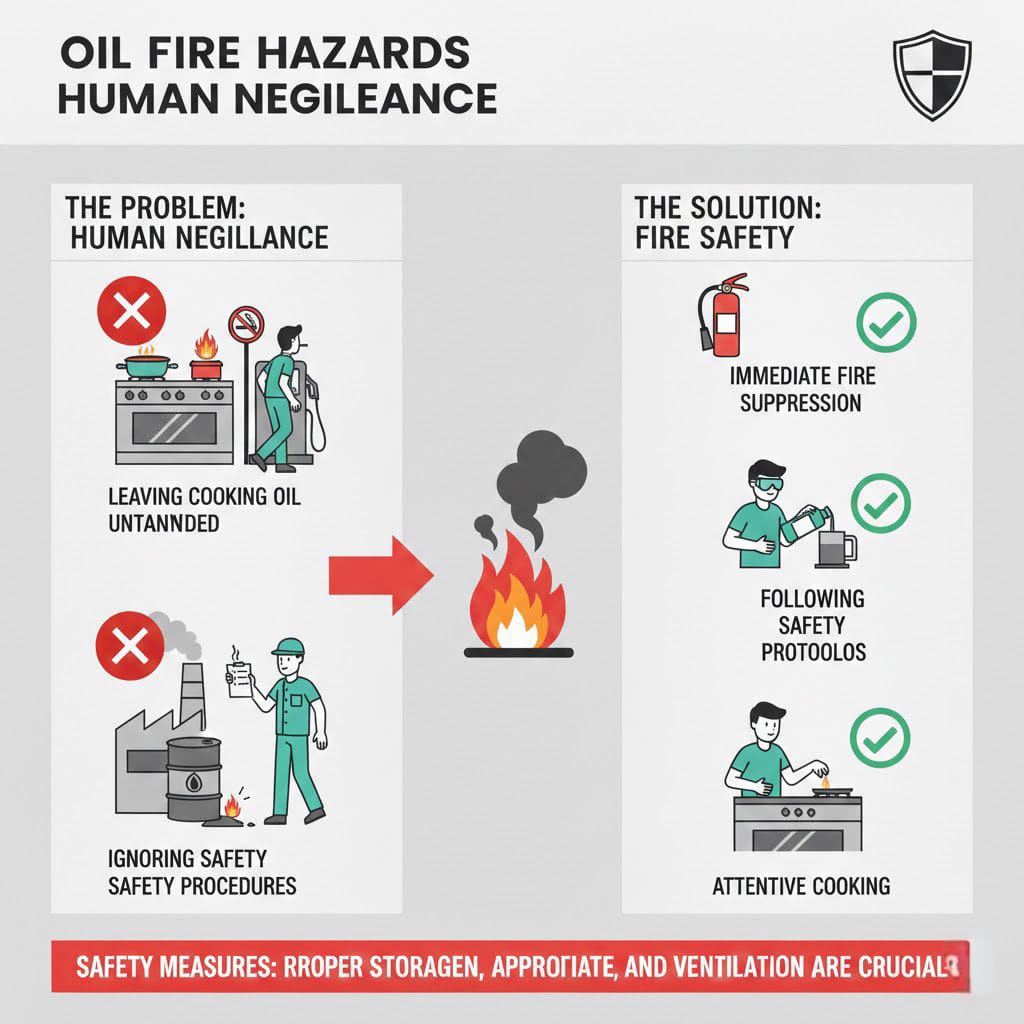
Oil Fires: Causes, Risks, and Modern Safety Challenges
Widespread use of oil
Oil is heavily used in industries, transportation, power generation, and cooking. The more it is used, the higher the risk of fire.
Human negligence
Examples include leaving cooking oil unattended, smoking near fuel, or ignoring safety procedures.
Increased industrial and transportation activities
Refineries, storage tanks, pipelines, and oil tankers raise the chances of accidents and leaks.
Safety Equipment
Install fire alarms: Especially in factories or storage areas, to provide early warning.
Use proper fire extinguishers: Class B or foam extinguishers are suitable for oil fires.
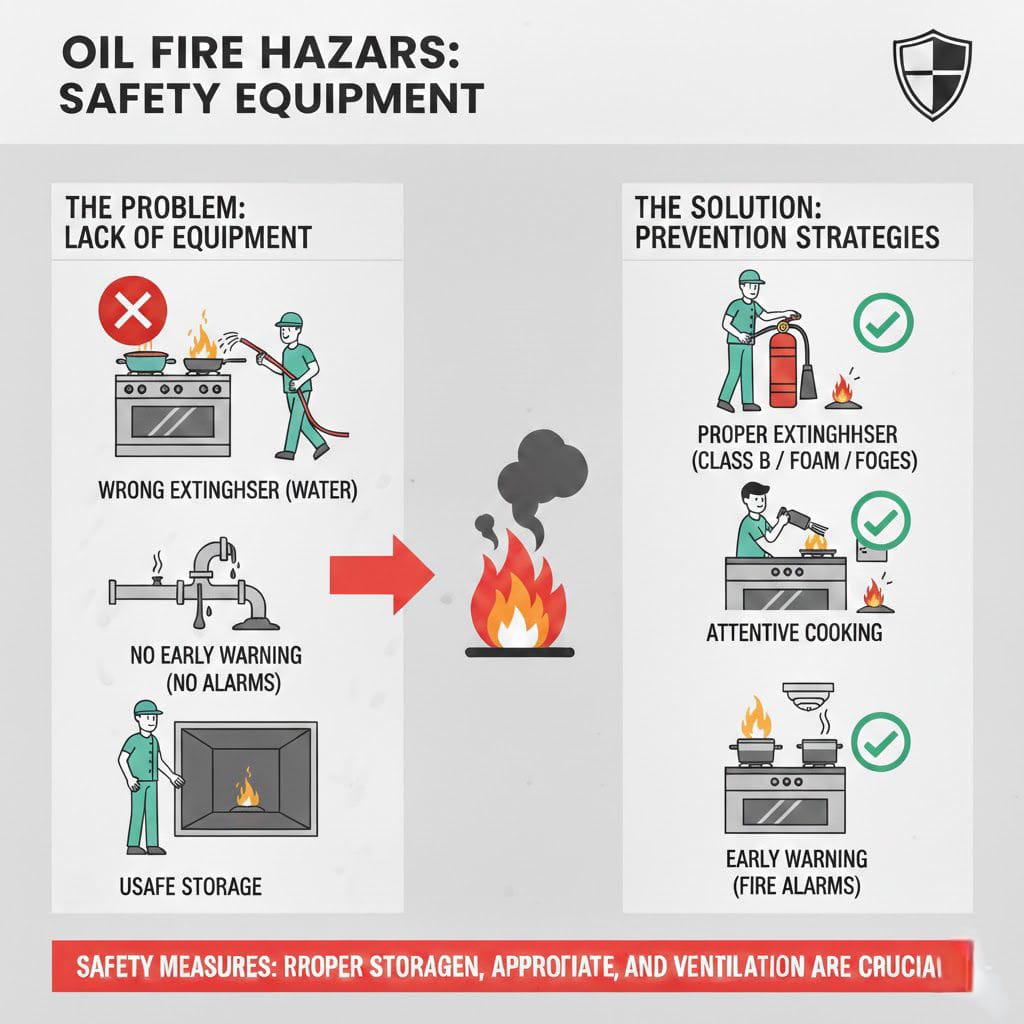
For oil fires, the appropriate types of fire extinguishers are:
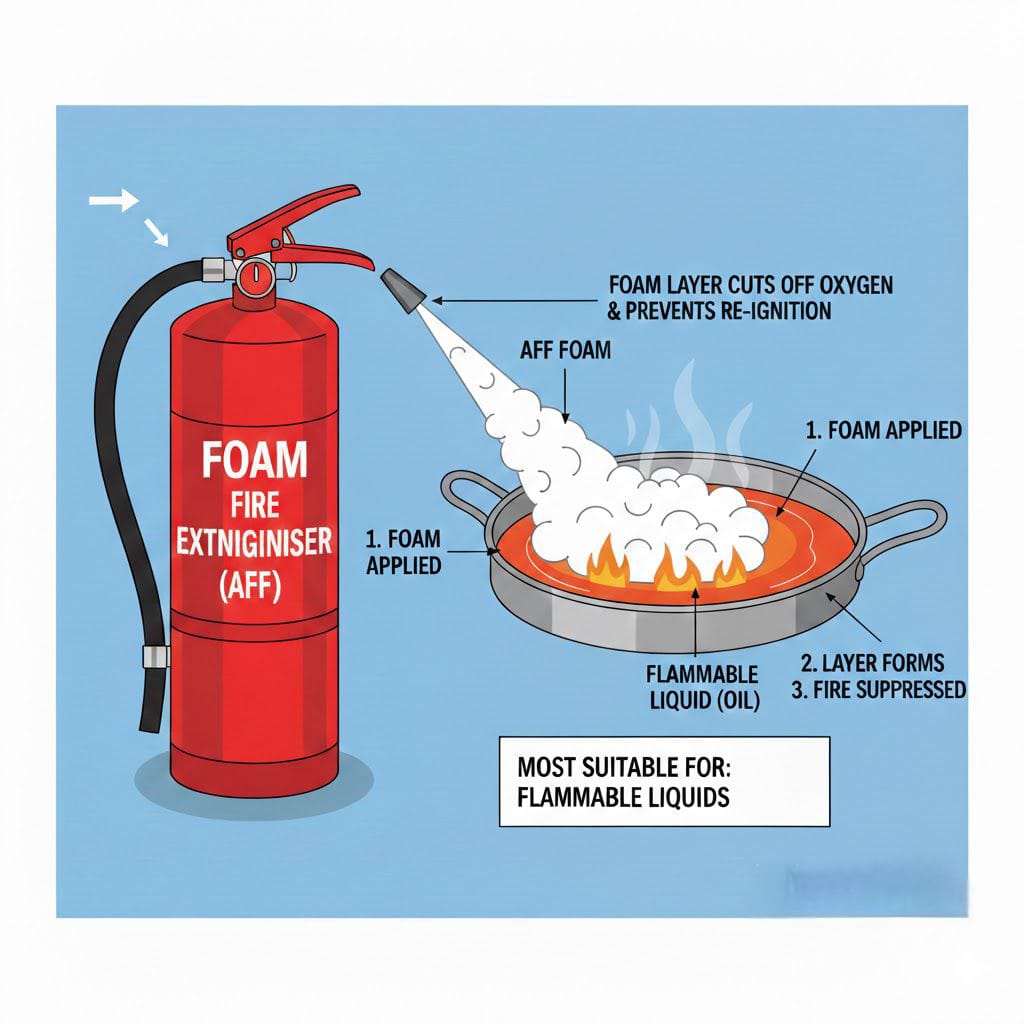
Foam Fire Extinguisher (AFFF)
- Most suitable for flammable liquids like oil
- Forms a layer that cuts off oxygen and prevents re-ignition
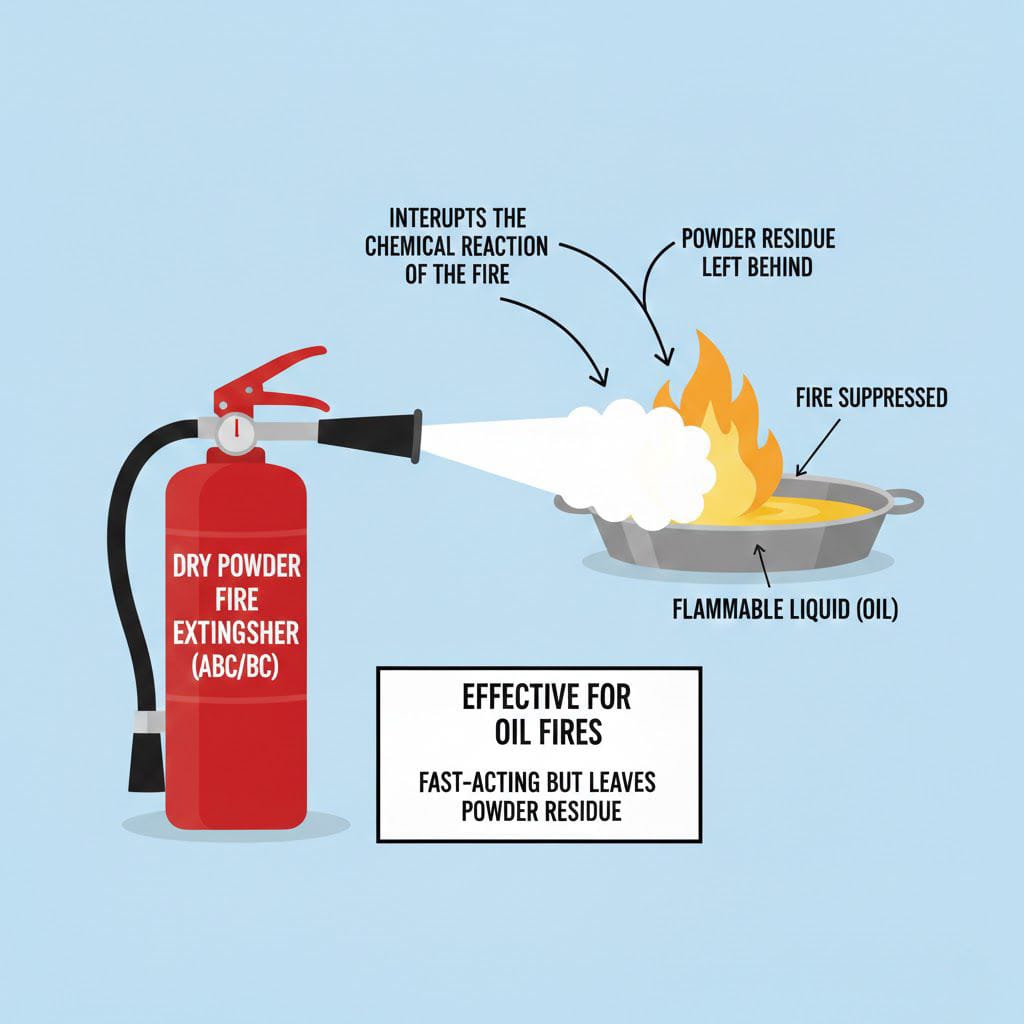
Dry Powder Fire Extinguisher (ABC / BC)
- Effective for oil fires
- Interrupts the chemical reaction of the fire
- Fast-acting but leaves powder residue
Actions to take during a fire:
Stay calm and do not panic
– Panicking can lead to poor decisions.
Call the fire department (999)
– Report the fire as soon as possible.
Close doors while leaving
– This helps slow the spread of fire and smoke.
Gather at a safe assembly point
– Do not re-enter the building.



Leave a Reply